
The Hallwyl Museum, Stockholm: Tickets and Info
This website offers official tickets for this venue. Please note, however, that it is not the official website of the venue.

Smartphone tickets

Priority Access Available

Instant confirmation

Flexible cancellation
Smartphone tickets
Why wait?
Instant confirmation
Flexible cancellation
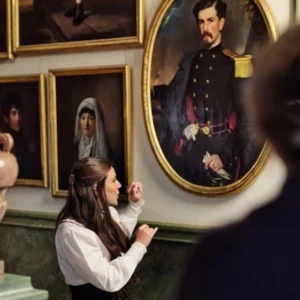
Hallwyl Museum: Admission ticket
Highlights
Step inside an exquisite private residence from the 1890s.
Explore an extensive collection featuring paintings, porcelain, furniture, silverware, and personal artifacts.
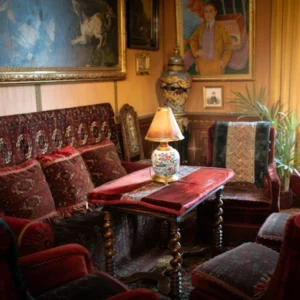
Experience the finely maintained interiors that capture the luxurious lifestyle of a bygone era.
Visit ongoing temporary exhibitions showcasing unique collections.
Located in the heart of Stockholm, offering an authentic glimpse into historical aristocracy.
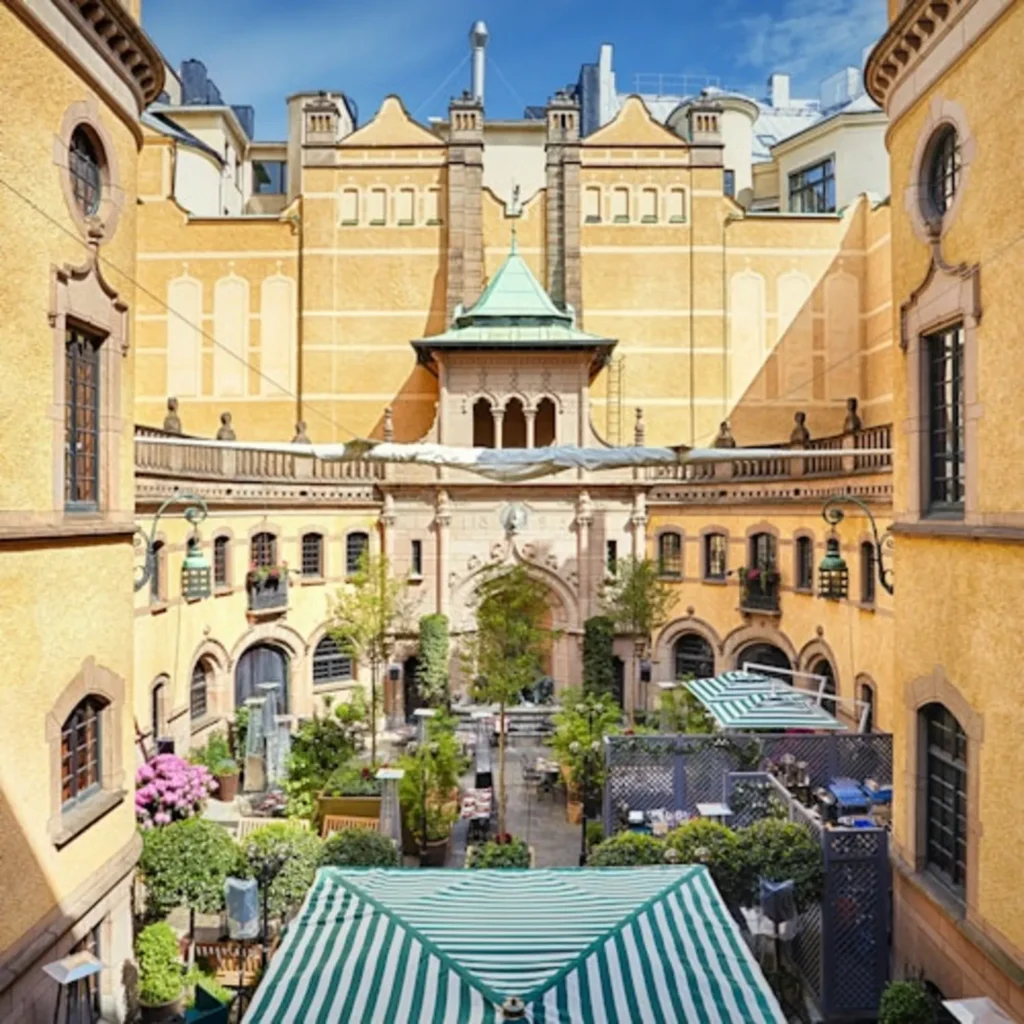
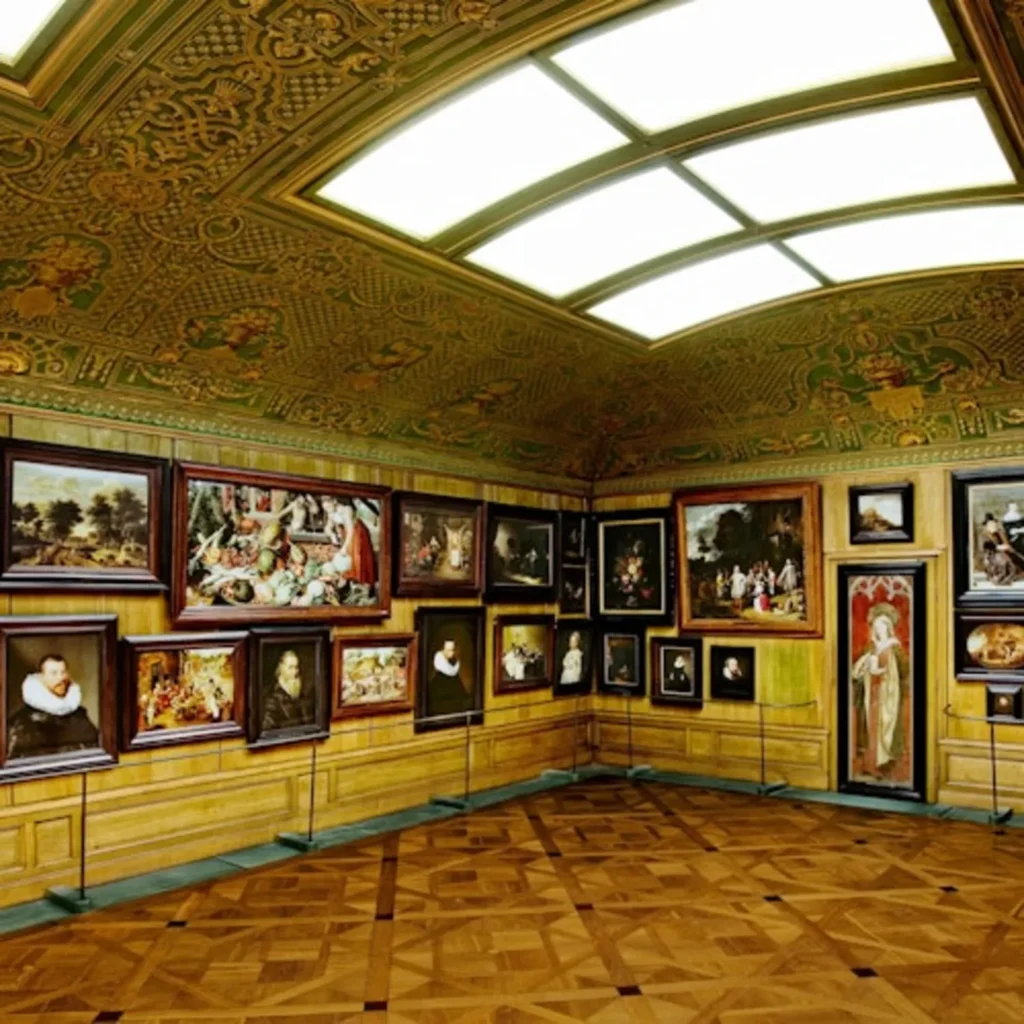
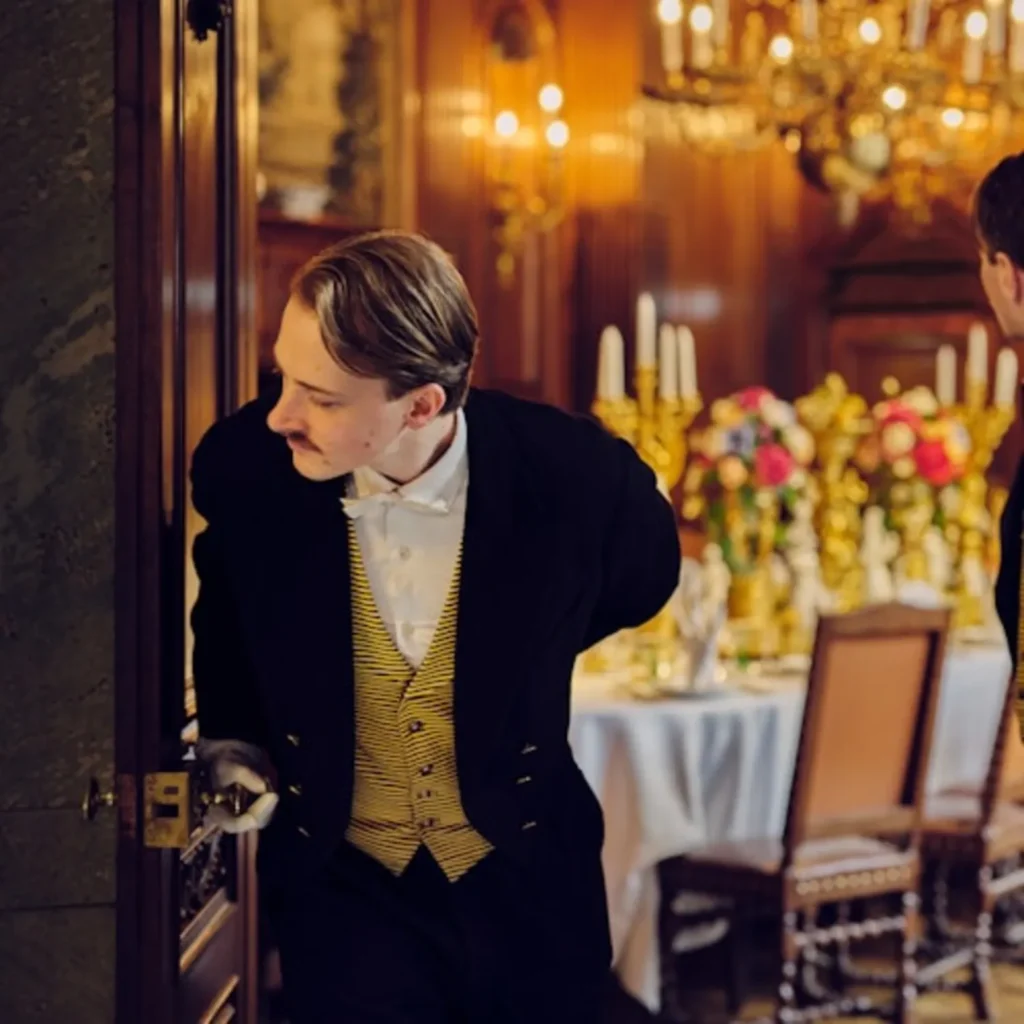
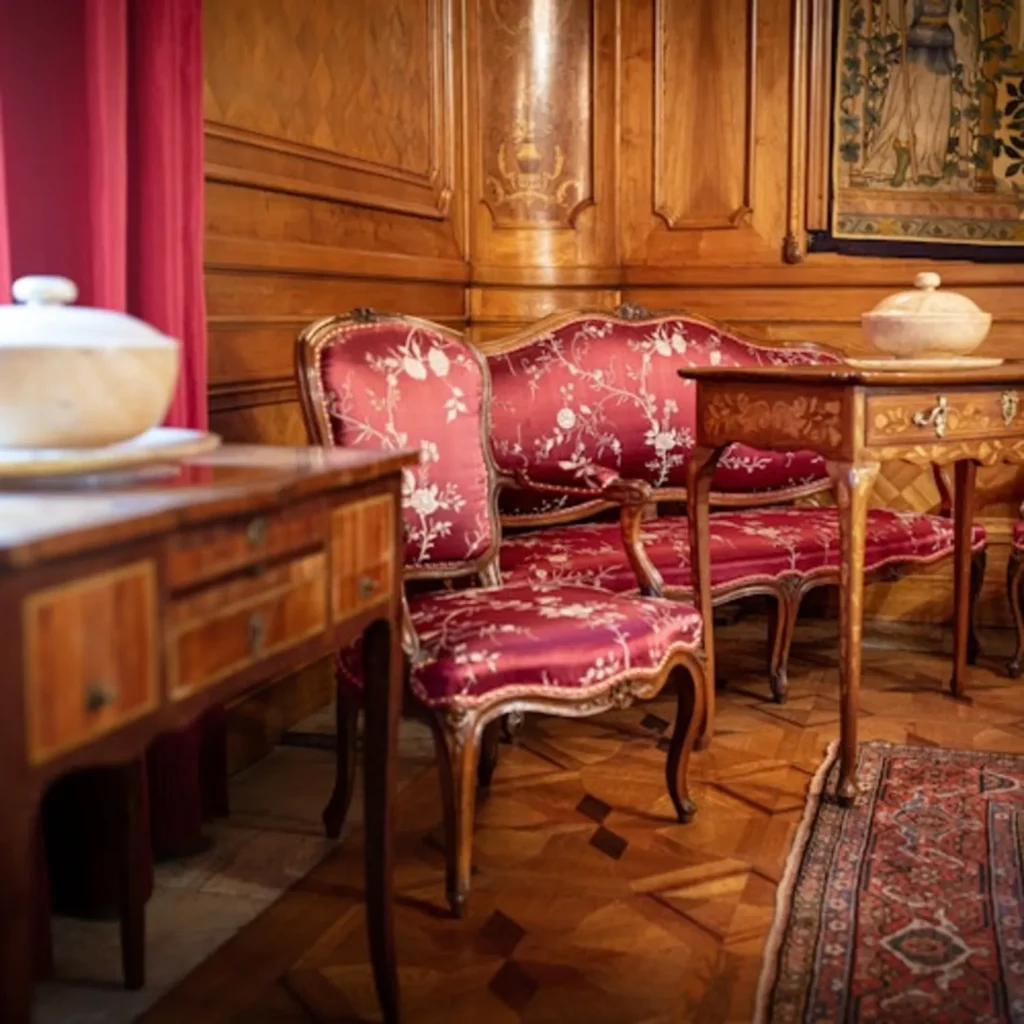
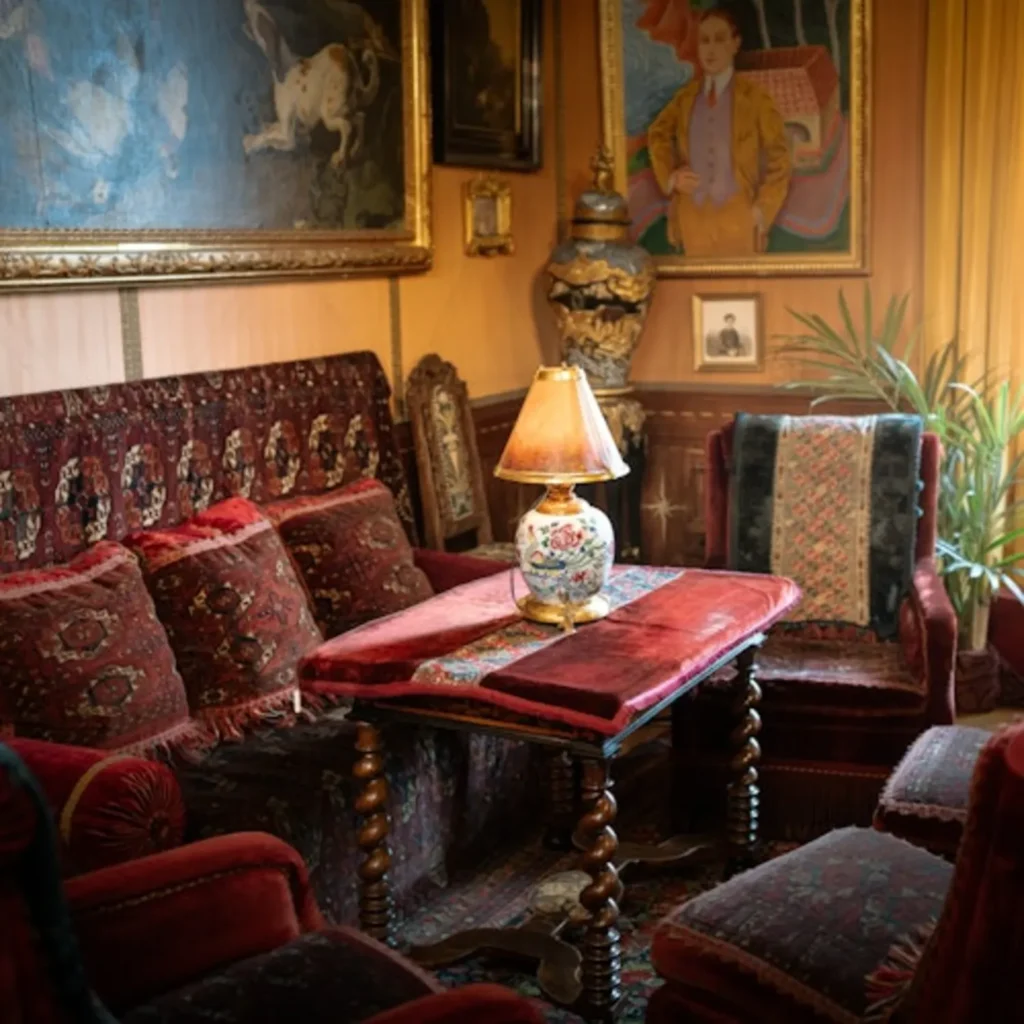
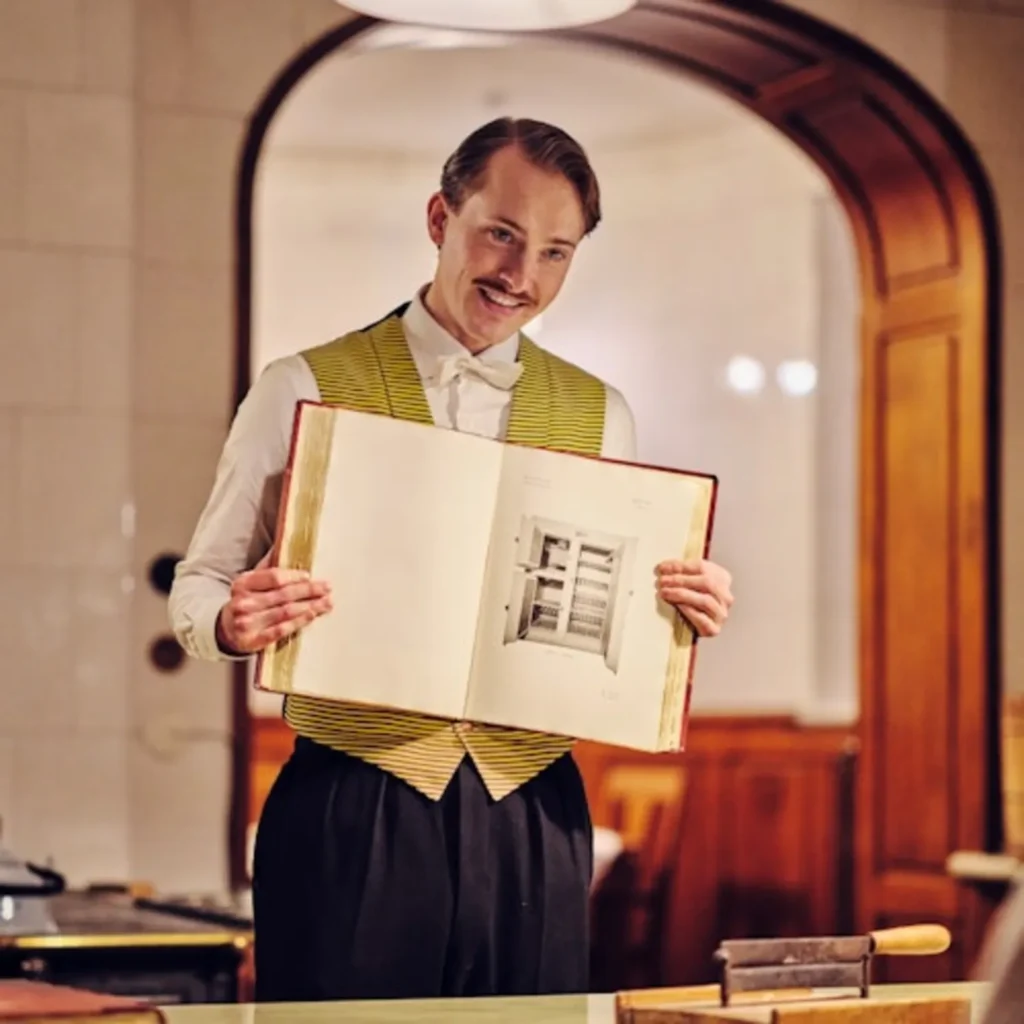
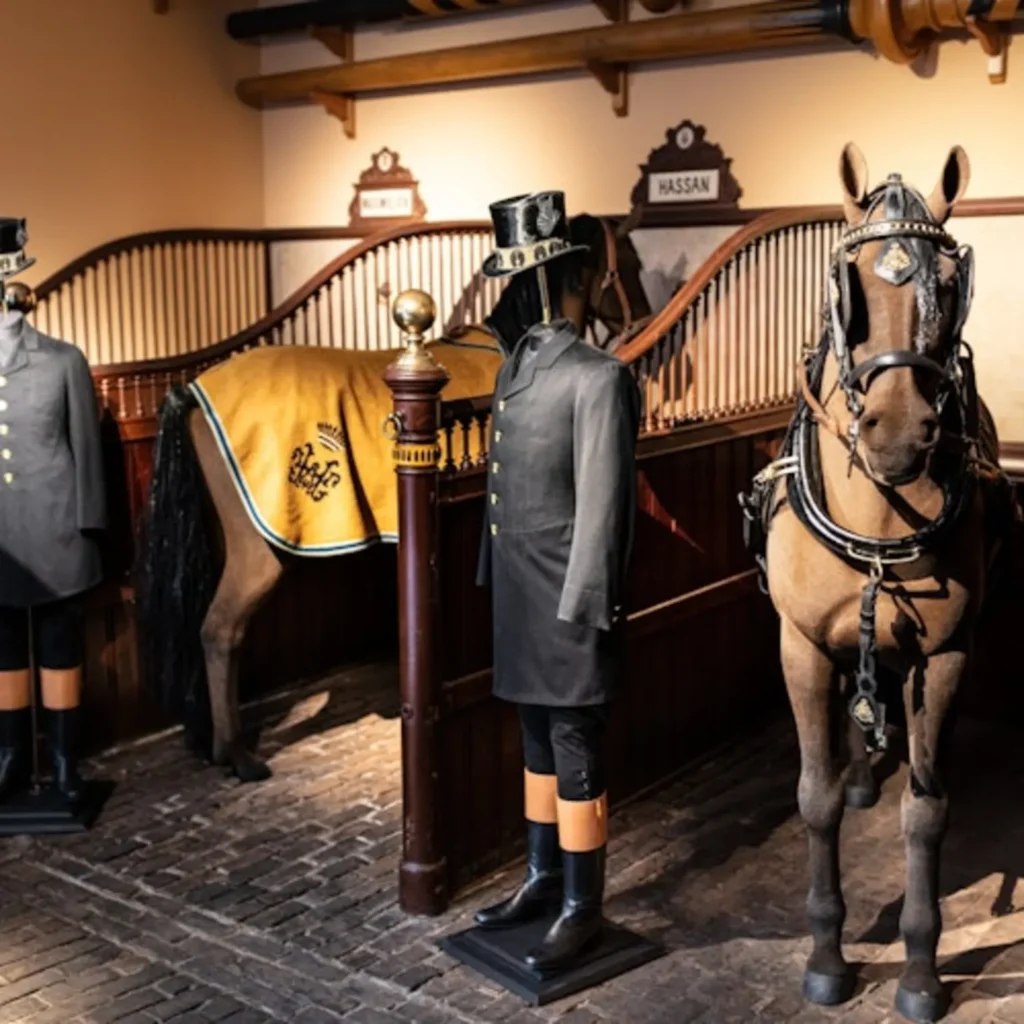
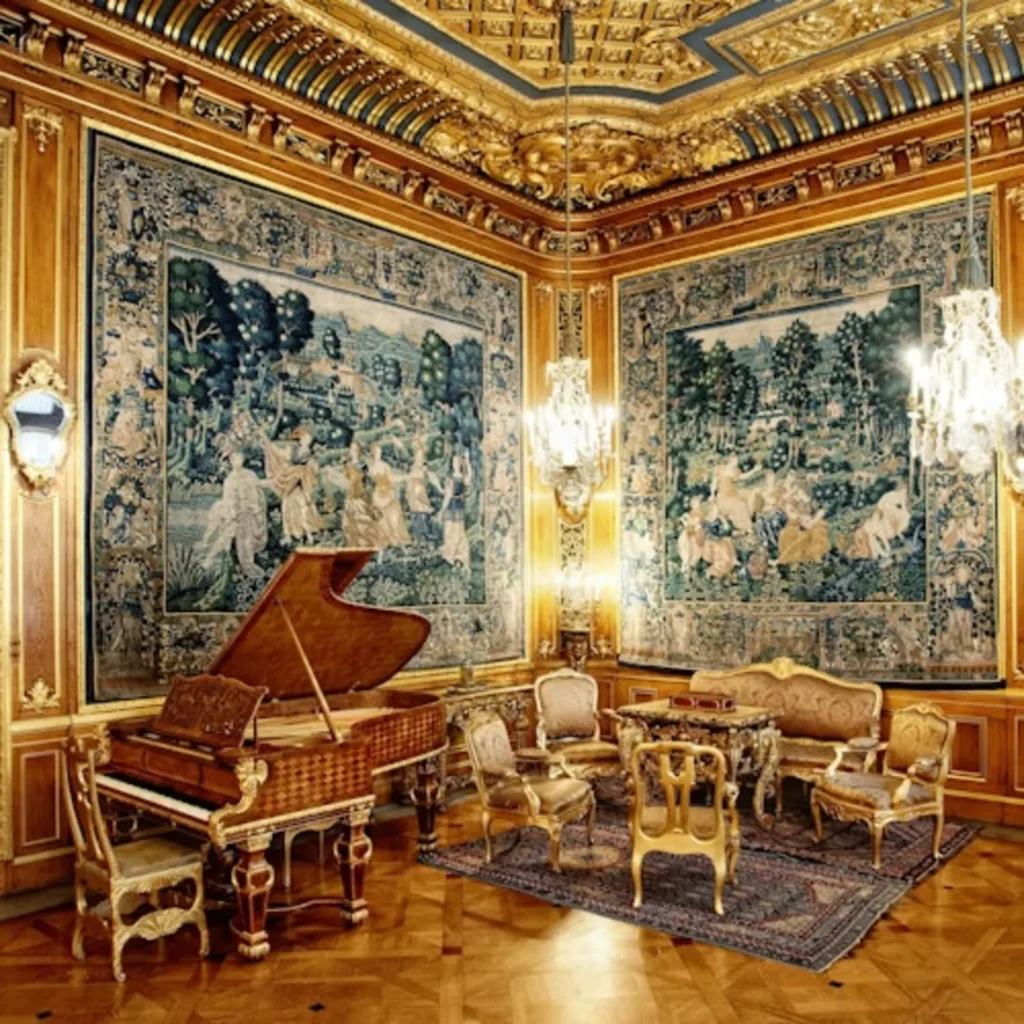
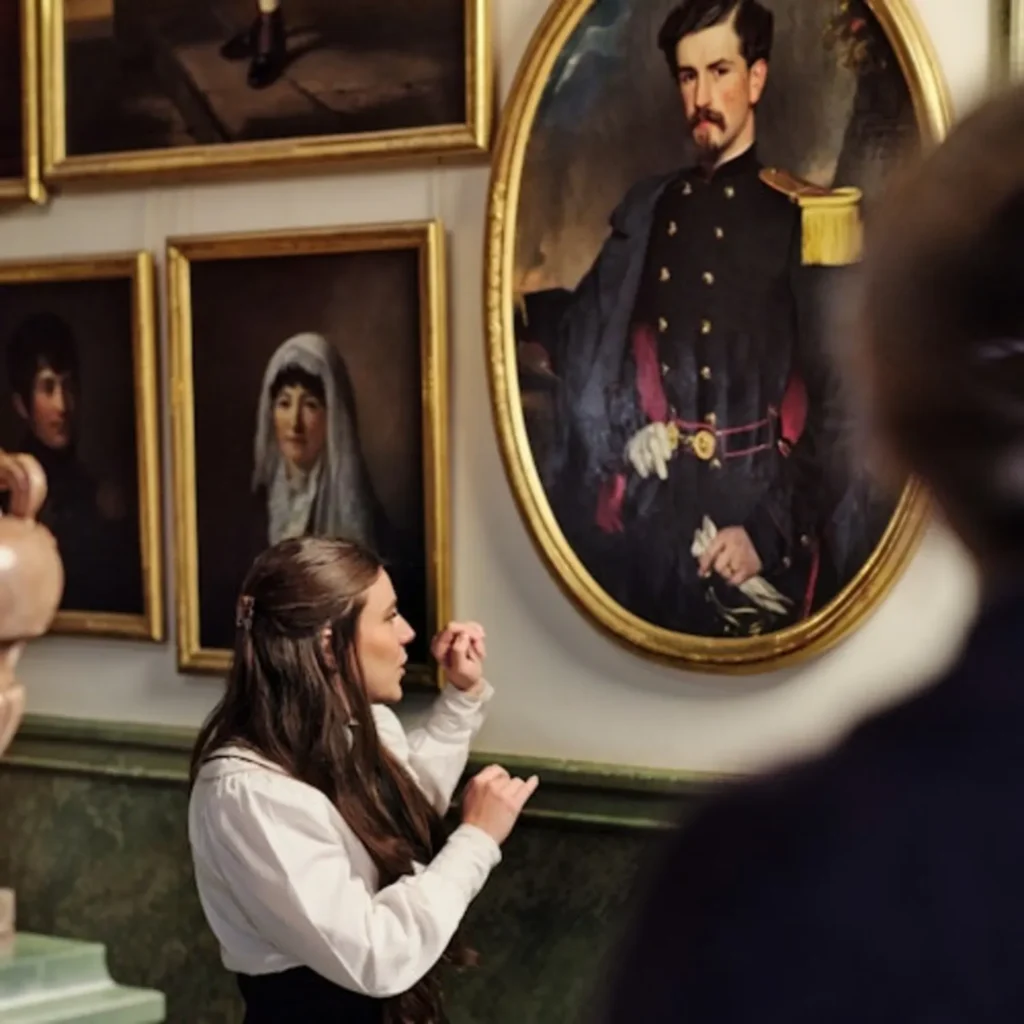
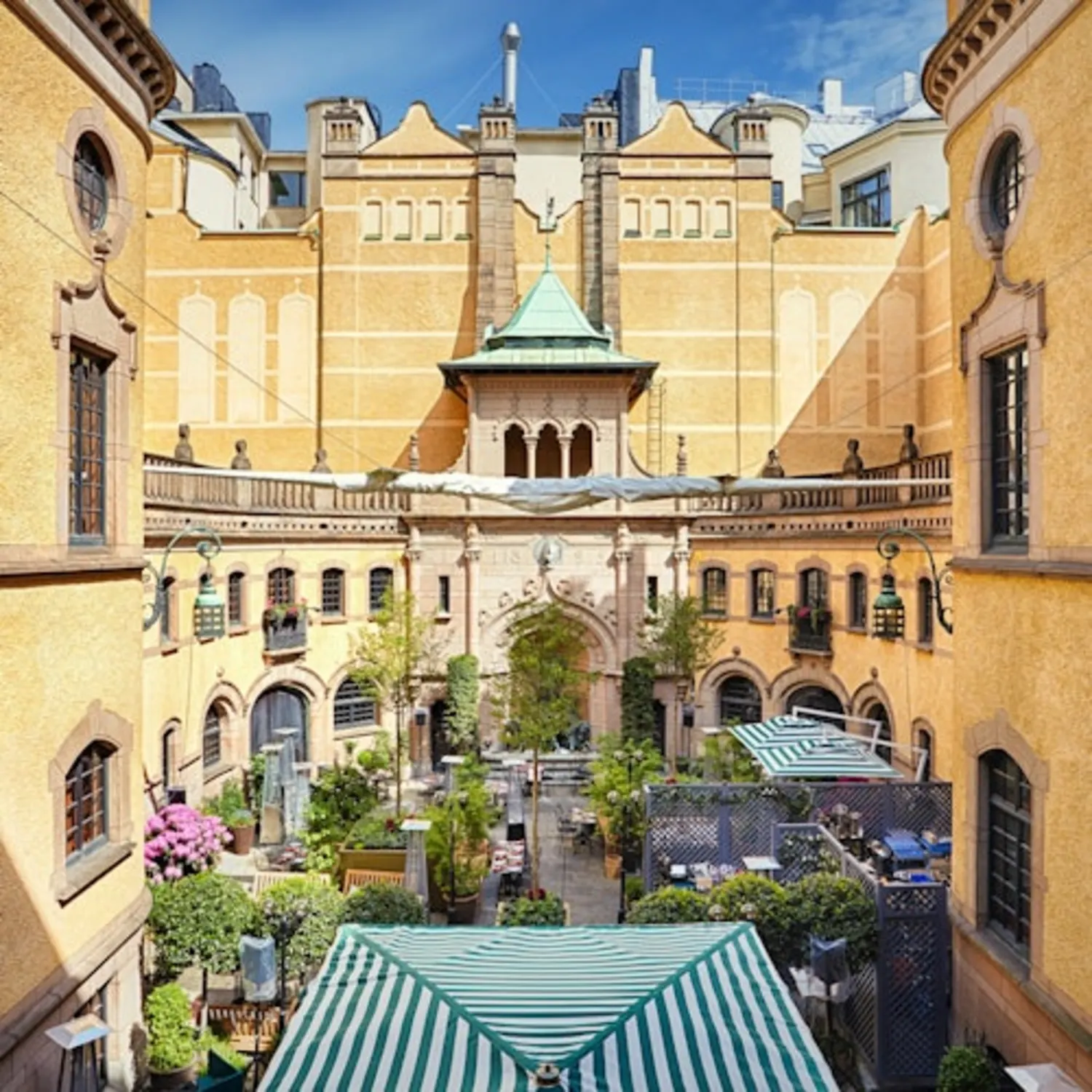
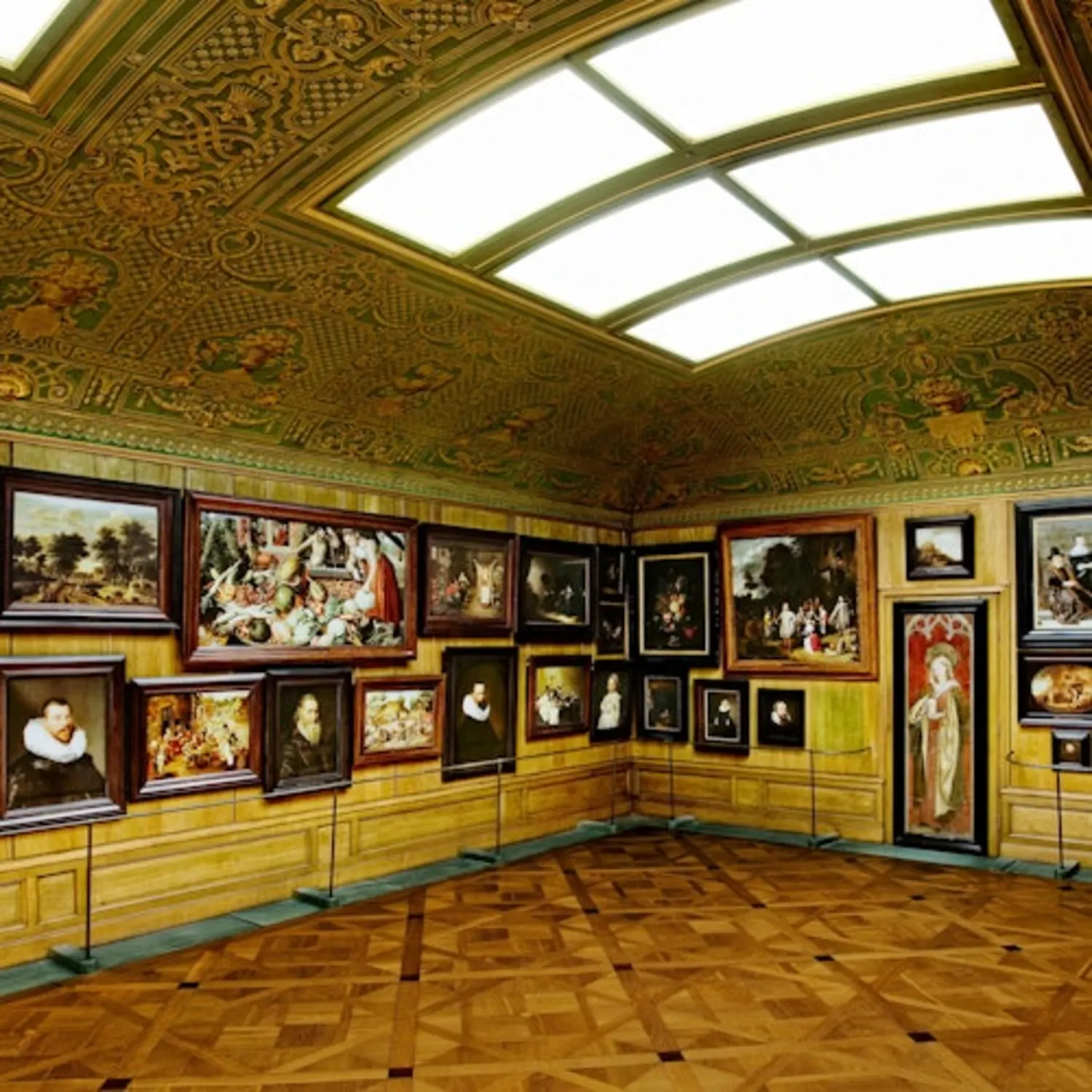
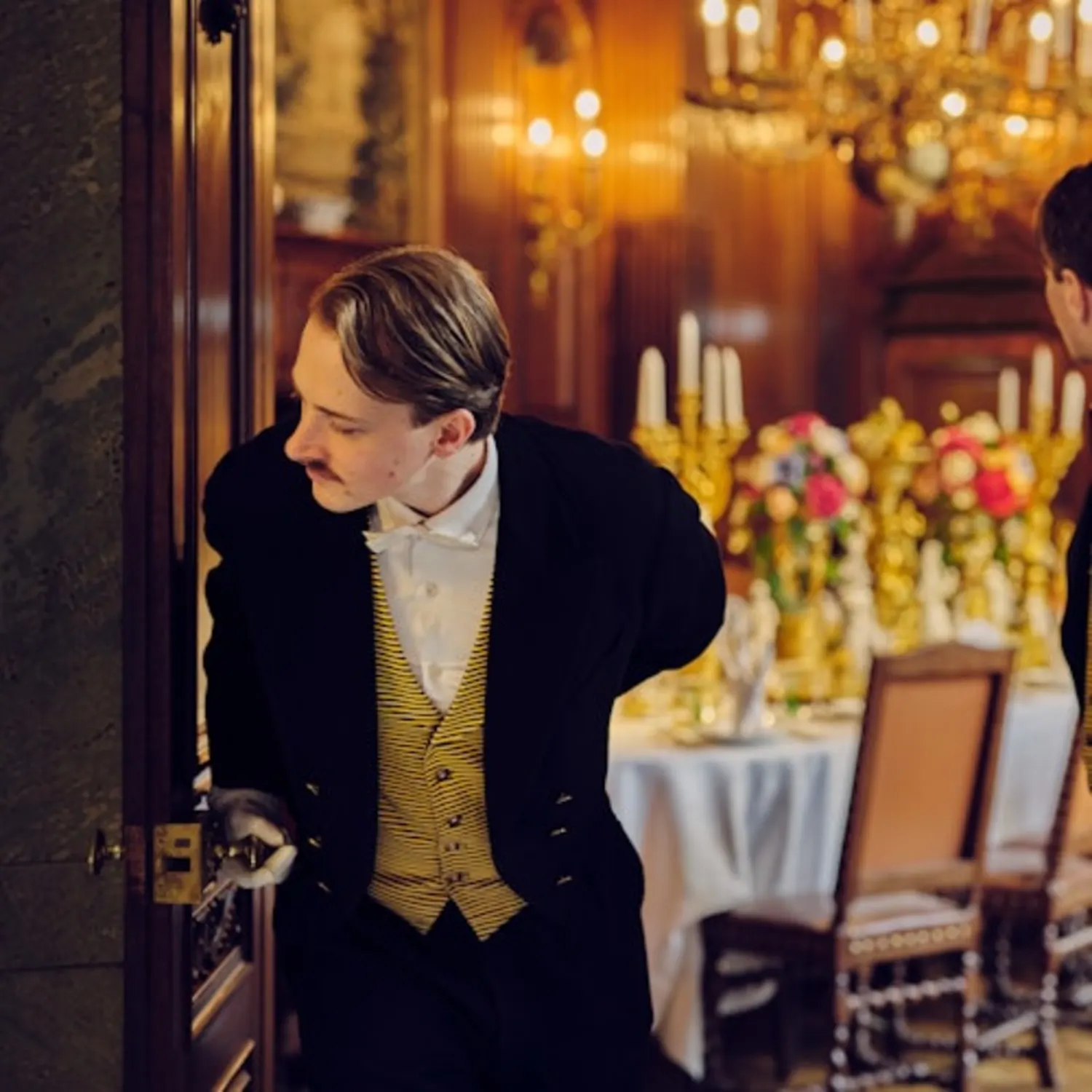
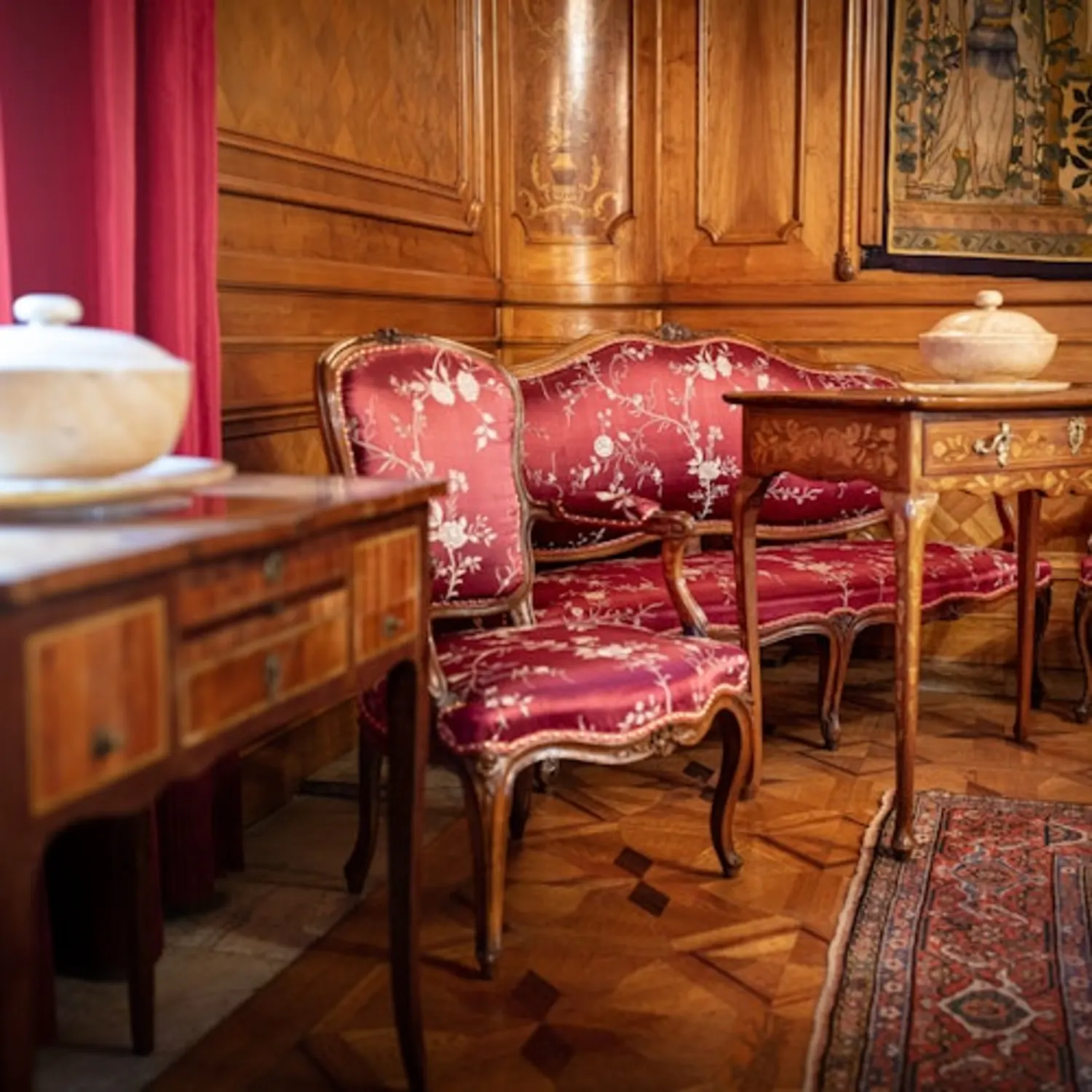
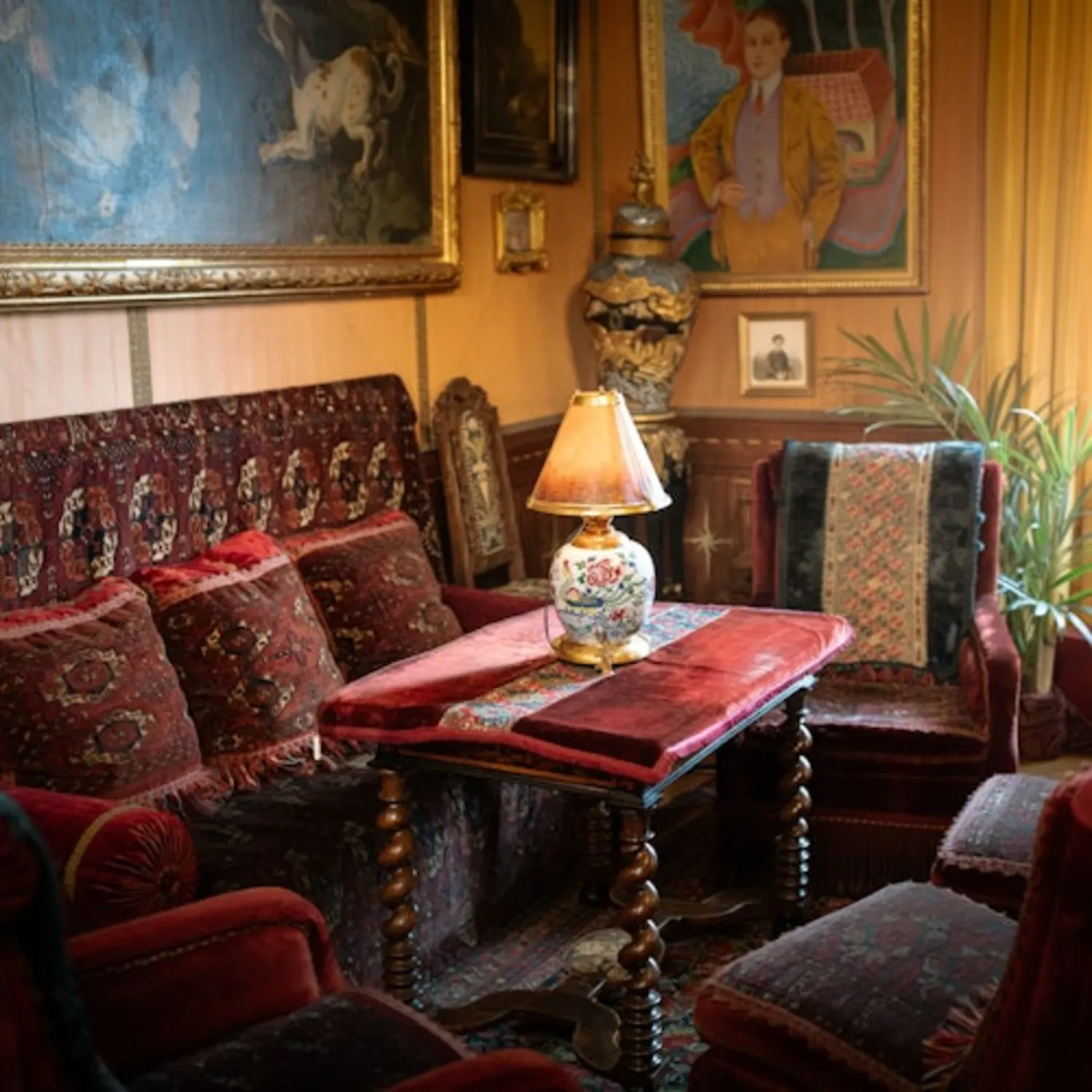
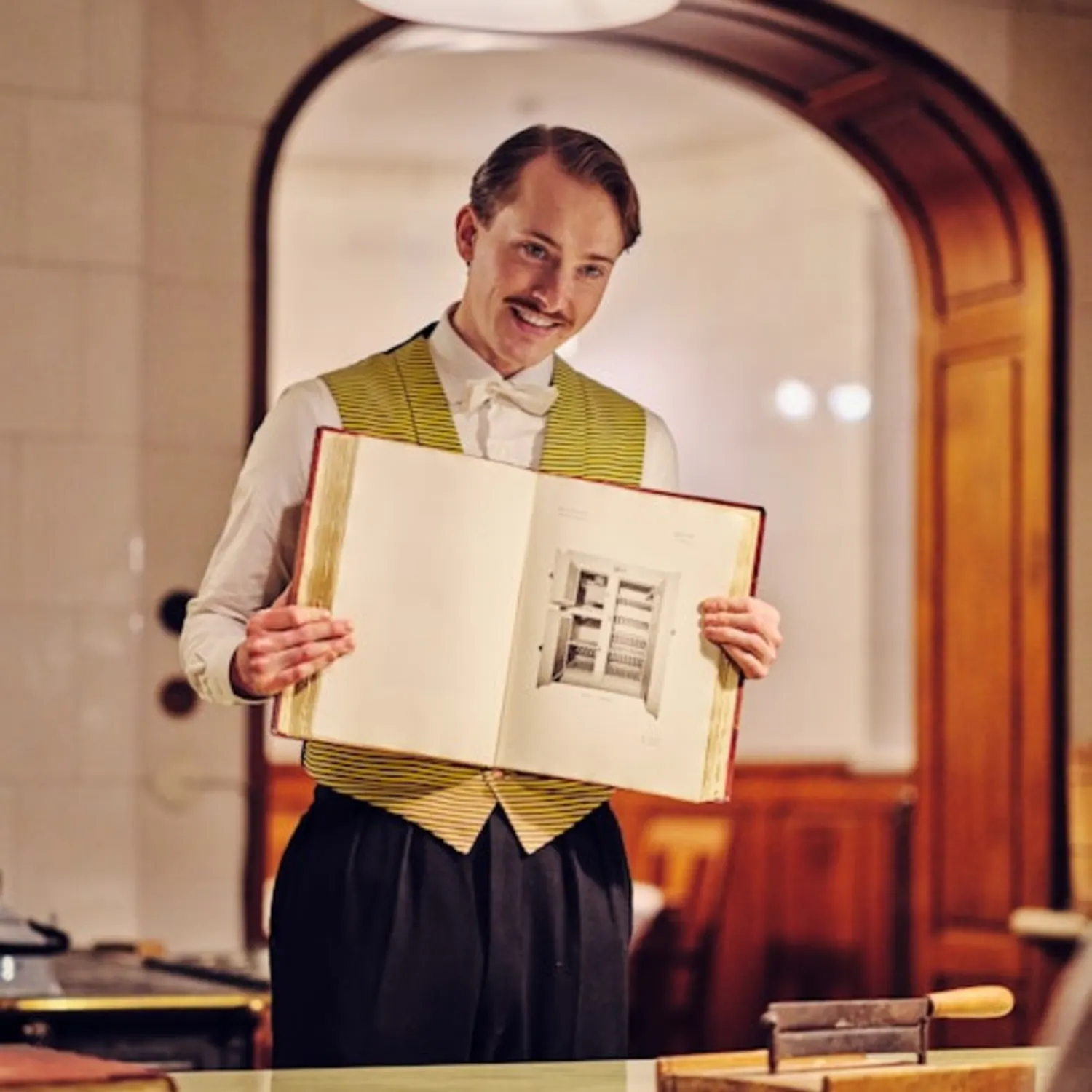
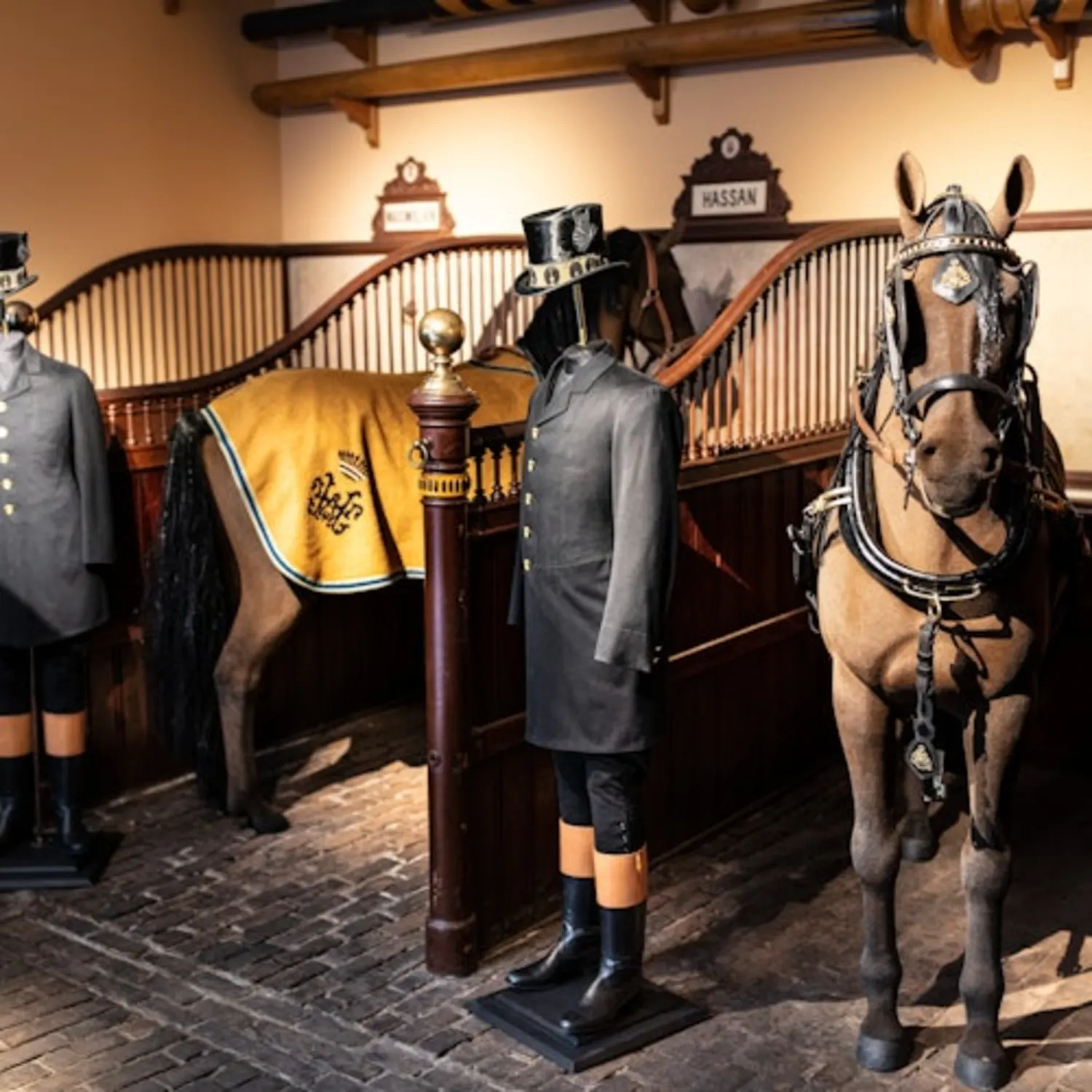
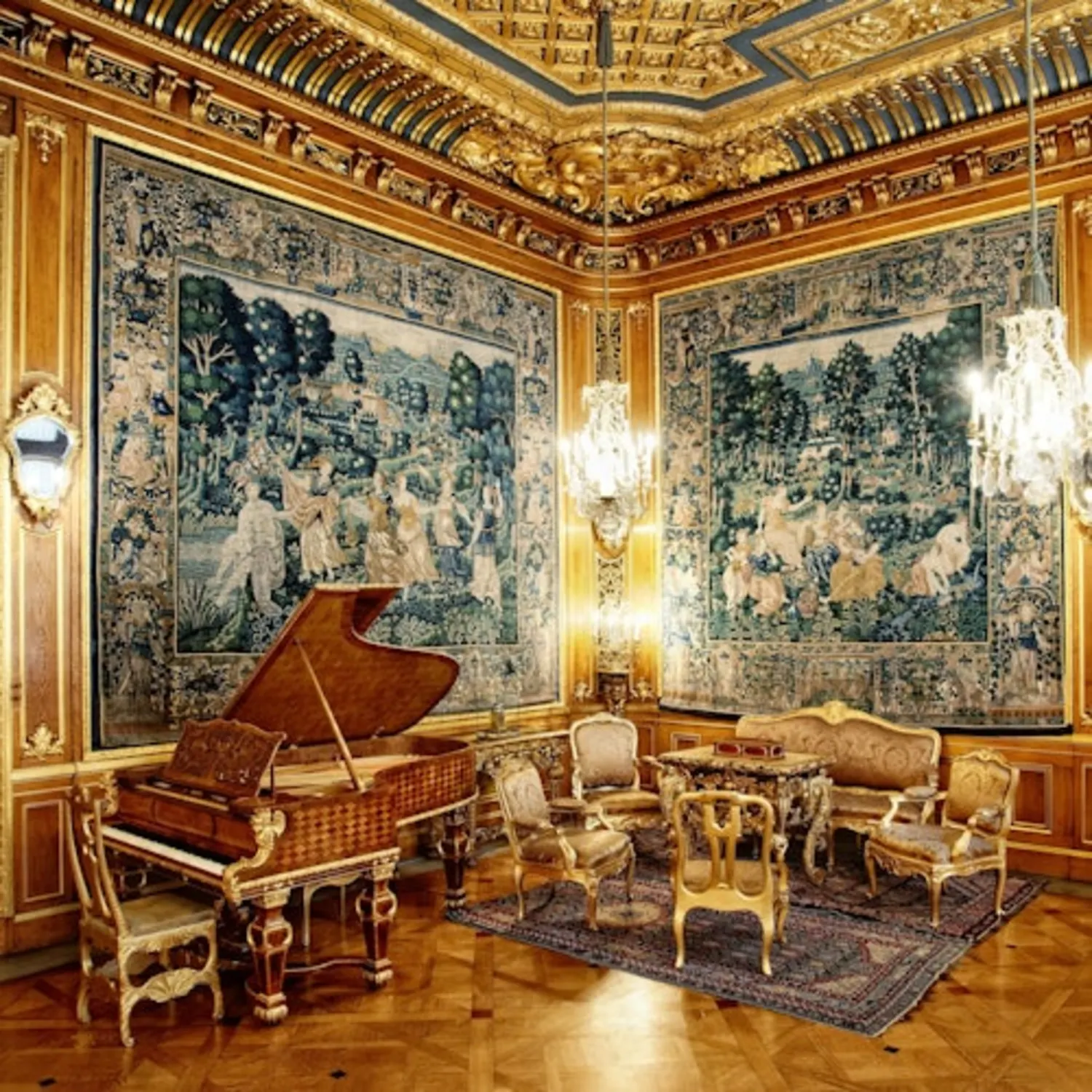
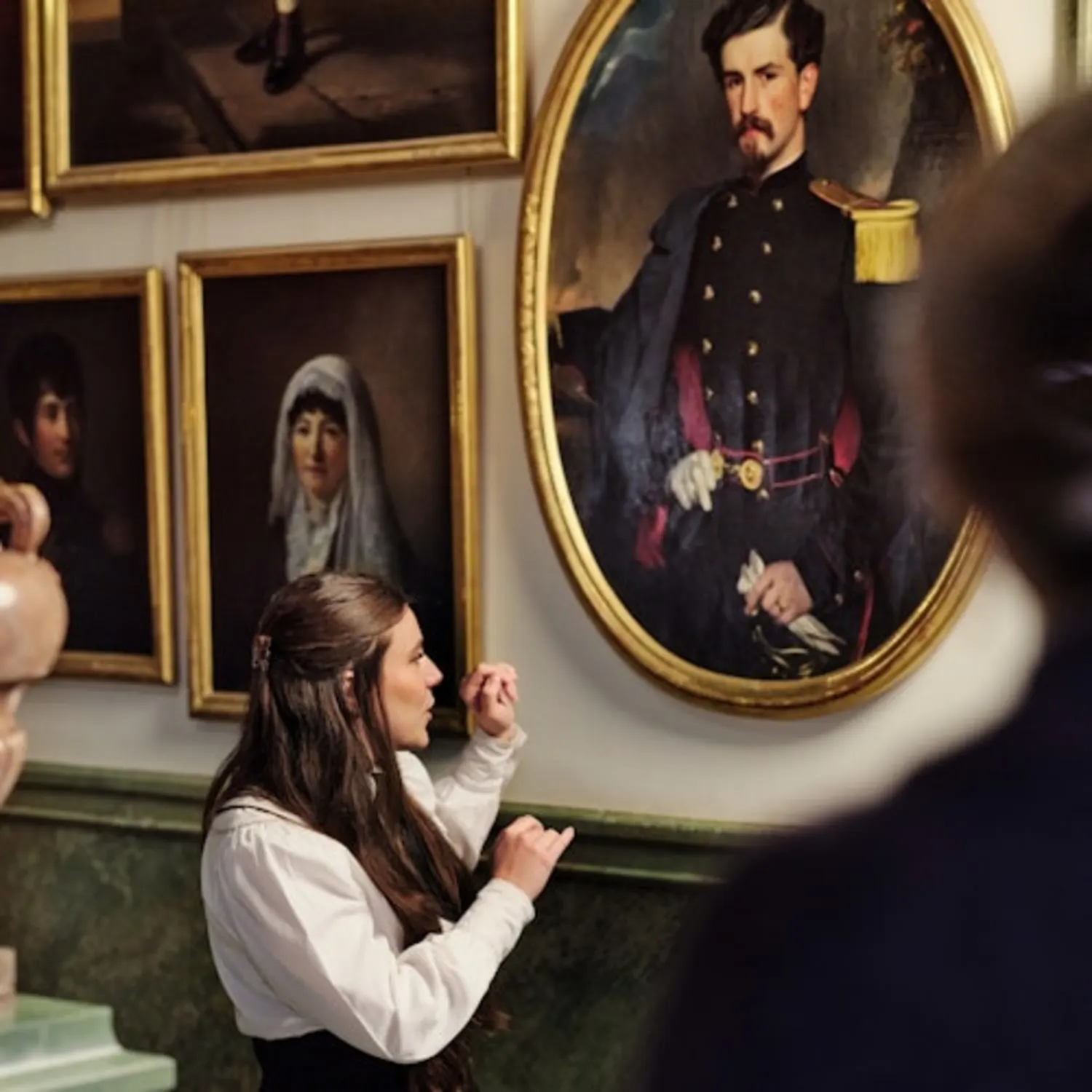
The Hallwyl Museum
Discover the Hallwyl Museum, a remarkable historic palace in the heart of Stockholm that offers a unique glimpse into aristocratic life at the turn of the 20th century. Built between 1893 and 1898, this beautifully preserved residence showcases exquisite architecture, original furnishings, and captivating art collections. Experience the rich cultural heritage and elegance of the Hallwyl Palace by purchasing your tickets today.
About The Hallwyl Museum
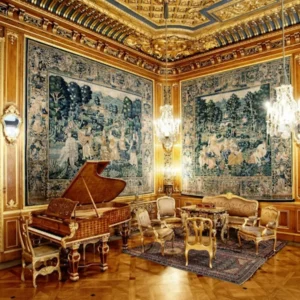
The Hallwyl Museum is one of Stockholm’s most eccentric and meticulously preserved cultural landmarks, housed within a lavish late-Victorian palace completed in 1898. Originally the winter residence of Count Walther and Countess Wilhelmina von Hallwyl, the building was designed by architect Isak Gustaf Clason to combine Mediterranean Renaissance aesthetics with the height of modern 19th-century technology.
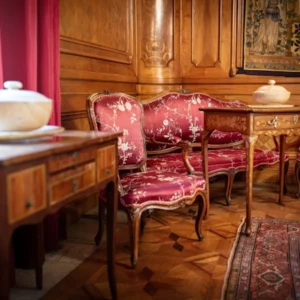
In 1920, the couple donated the residence and its staggering collection of 50,000 objects to the Swedish state under the condition that the interiors remain entirely untouched. Today, visitors can wander through grand reception halls and private quarters that look exactly as they did a century ago, offering a rare, immersive window into the domestic life and extraordinary collecting habits of Sweden’s historic elite.
Year Built: The residence was constructed between 1893 and 1898.
Founded as a Museum: Established following the donation of the house in 1920 and opened its doors to the public in 1938.
Total Collection Items: Over 50,000 cataloged objects within the permanent collection
Area: Approx. 2,000 square meters; contains over 40 distinct rooms
Why Visit The Hallwyl Museum?
A Perfectly Preserved Time Capsule
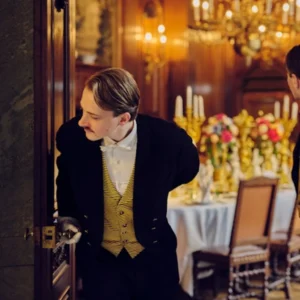
The museum offers a rare opportunity to step directly into the year 1900, as the house remains exactly as it was when the von Hallwyl family lived there. From the set dinner table to the personal items left in the bedrooms, the residence provides an undisturbed look at the lifestyle of Stockholm’s late-Victorian elite.
One of Europe’s Most Eclectic Collections
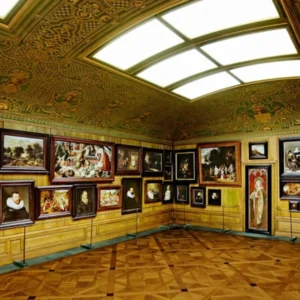
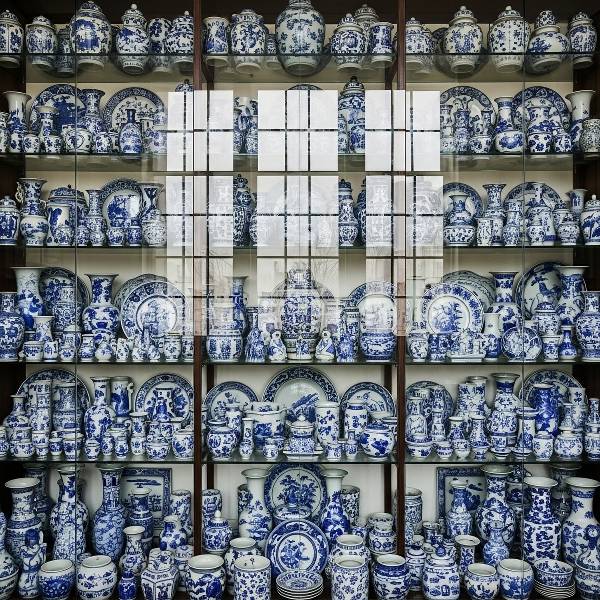
Countess Wilhelmina von Hallwyl was a prolific collector who cataloged over 50,000 items ranging from world-class Dutch and Flemish paintings to Chinese ceramics and ancient artifacts. Every object in the house was meticulously numbered and documented, creating a massive private archive that is now open to the public.
Architectural Mastery by Isak Gustaf Clason
Designed by the renowned architect Isak Gustaf Clason, the palace is a masterpiece of the Spanish-Venetian Renaissance style combined with late 19th-century Swedish influences. The building itself is as significant as the collection, featuring a striking granite facade and an interior rich with intricate wood carvings, marble, and stucco.
Early Modern Innovations
Despite its traditional appearance, the Hallwyl House was one of the most technologically advanced homes of its era. Visitors can see the original installations for central heating, electric lighting, and a passenger lift, all of which were groundbreaking luxuries for a private residence in the 1890s.
The Atmosphere of the Courtyard
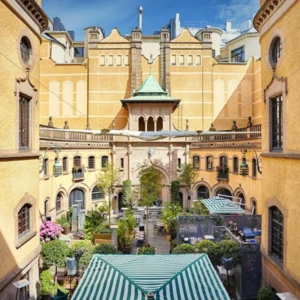
The museum’s secluded inner courtyard serves as a quiet retreat from the busy streets of central Stockholm. During the warmer months, this architectural space provides a unique setting to appreciate the scale of the palace while enjoying the transition between the modern city and the historic interior.
Timings
The Hallwyl Museum is open from Tuesday to Sunday.
Monday: Closed
Tuesday: 12 PM – 4 PM
Wednesday: 12 PM – 7 PM
Thursday – Friday: 12 PM – 4 PM
Saturday – Sunday: 11 AM – 5 PM
Closed Public Holidays
Midsummer’s Eve, June 18, 2026
Midsummer’s Day, June 19, 2026
Christmas Eve, December 24, 2026
Christmas Day, December 25, 2026
Boxing Day, December 26, 2026
New Year’s Eve, December 31, 2026
How to Get There?
The Hallwyl Museum is located in the heart of central Stockholm, situated directly opposite Berzelii Park and a short distance from the Royal Dramatic Theatre (Dramaten).
Address:
Hallwylska museet
Hamngatan 4
111 47 Stockholm
Directions
- Subway (Tunnelbana)
- Tram or Bus
- Ferry
- Walking or Cycling
- Car & Parking
The museum is easily accessible via the Stockholm Metro.
The closest stations are Östermalmstorg (Red Line), using the Stureplan exit, and Kungsträdgården (Blue Line).
From either station, it is approximately a five-minute walk to the museum entrance on Hamngatan.
Tram
Tram Line 7 serves the area frequently. Visitors should disembark at the Nybroplan stop, which is located just a few hundred meters from the museum gates.
Bus
Several major inner-city bus lines stop in the immediate vicinity.
Routes 2, 69, and 76 all serve the Nybroplan or Hamngatan stops. Additionally, several buses stop at Norrmalmstorg, which is less than a three-minute walk from the venue.
For those traveling by water, the Nybrokajen ferry terminal is located directly across the street from the museum.
This terminal serves various commuter ferries, including Line 80, providing a convenient link from Djurgården and other parts of the harbor.
The museum is centrally located and within walking distance of many major landmarks, including the Royal Palace (approximately 10 minutes) and the Central Station (approximately 15 minutes).
For cyclists, dedicated bicycle parking is available at nearby Norrmalmstorg or at Birger Jarlsgatan 5.
Driving to the museum is not recommended due to its location in a busy pedestrian and transit-heavy zone.
There is no parking permitted directly outside the museum on Hamngatan 4.
Visitors arriving by car should utilize commercial parking garages in the Östermalm or Norrmalm districts, such as the NK Parking garage or those located near Stureplan.
Things to Know Before Visiting The Hallwyl Museum
Large bags, backpacks, and umbrellas are not permitted inside the historic rooms and must be stored in the cloakroom.
The museum lacks an elevator, meaning the upper floors are only accessible via several flights of stairs.
Photography for private use is generally permitted, but the use of flash, tripods, or selfie sticks is strictly prohibited.
Visitors are asked to refrain from touching any furniture, textiles, or objects to ensure the preservation of the original interiors.
Many of the rooms have low lighting levels to protect delicate 19th-century artworks and fabrics from light damage.
Strollers are not allowed on the upper floors due to narrow passages and must be left in the designated parking area on the ground floor.
Because the museum can reach capacity quickly, it is highly recommended to book your tickets or guided tours in advance.
The museum is entirely cashless, so ensure you have a valid credit or debit card for ticket and shop purchases.
Comfortable walking shoes are recommended as the tour involves standing and navigating historic, sometimes uneven, flooring.
The Hallwyl Museum – Additional Info
- Facilities
- Souvenir Store
- Dining
The Hallwyl Museum provides essential amenities designed to preserve the historic integrity of the palace while accommodating modern visitors.
A cloakroom is available on the ground floor where guests are required to leave large bags, backpacks, umbrellas, and bulky outerwear, as these items are not permitted within the narrow corridors of the residential floors.
Small lockers are provided for valuables, though space is limited and managed on a first-come, first-served basis.
Restrooms are located in the basement level and near the entrance area.
For those visiting with infants, please note that strollers cannot be taken into the upper floors of the house due to the preserved nature of the rooms and the presence of fragile artifacts. A designated stroller parking area is available, and the museum recommends the use of baby carriers for those exploring the historic levels.
The Hallwyl Museum Shop is located on the ground floor and is accessible without a museum ticket.
The store reflects the eclectic tastes of Countess Wilhelmina von Hallwyl, offering a curated selection of items inspired by the house’s architecture and its extensive collections.
Visitors can find high-quality Swedish glassware, classic jewelry, and textiles that mirror the patterns found in the palace’s upholstery and wallpapers.
In addition to decorative home goods, the shop stocks an array of literature focusing on Stockholm’s history, Victorian-era architecture, and the detailed catalogs of the Hallwyl collection.
Stationery, postcards, and traditional Swedish gifts are also available, making it a convenient stop for unique souvenirs that are directly linked to the heritage of the von Hallwyl family.
The Hallwyl Bar and Restaurant is situated in the museum’s picturesque inner courtyard and is a popular destination during the warmer months.
The establishment offers a sophisticated menu that blends traditional Swedish ingredients with international influences, providing a refined setting for lunch or evening drinks.
Because of its central location and unique architectural backdrop, the courtyard restaurant often requires advance reservations, particularly during the summer season.
During the winter months, the dining experience often moves indoors or adapts to the climate, sometimes offering seasonal specialties such as Swedish glögg.
While the restaurant operates independently from the museum’s exhibition hours, it maintains the same high standard of elegance found within the palace.
For those seeking a quick refreshment, several cafes and bakeries are located within a two-minute walk around Norrmalmstorg and Nybroplan.
Accessibility
As a meticulously preserved 19th-century residence, the Hallwyl Museum presents significant physical challenges for visitors with limited mobility. The palace was constructed before modern accessibility standards, and the original architectural features—including narrow staircases, high door thresholds, and cramped passages—have been kept in their original state. There is no public elevator or lift access to the four upper floors of the house, which contain the primary residential rooms and the main art collection.
Visitors using wheelchairs or walkers can access the courtyard, the ground floor entrance hall, and the museum shop. Accessible restrooms are located on the ground floor and in the basement, the latter of which is reachable via a small lift intended specifically for mobility aids. For those unable to climb the stairs, the museum provides digital resources and tablets that offer a virtual look at the upper rooms and the collection.
The museum allows entry for certified service animals, provided they are kept on a leash and remain under the owner’s control at all times. For visitors with visual impairments, the lighting in several rooms is kept at a lower level to protect sensitive textiles and artworks; however, large-print information and guided tours can assist in navigating the space. If you require specific assistance, it is recommended to contact the museum staff in advance to discuss the available support for your visit.
Interesting Facts about The Hallwyl Museum
The Hallwyl Museum was the most expensive private residence ever built in Sweden at the time of its completion in 1898.
Countess Wilhelmina von Hallwyl spent her life documenting every single item in the house, eventually creating a 78-volume catalog of her collection.
The house was gifted to the Swedish state in 1920 with the strict condition that nothing in the interior could ever be changed or moved.
The palace featured an early central heating system that used hot air to warm the rooms, a massive luxury for the 1890s.
Every piece of furniture and art in the house was assigned a unique acquisition number, which is still visible on small white tags today.
The dining room is decorated in a German Renaissance style and features a ceiling made of solid oak and embossed leather.
The Countess’s collection includes over 50,000 objects, ranging from world-class paintings to her own personal hairbrush and buttons.
The house was equipped with a passenger lift and an electric laundry room, making it one of the most technologically advanced homes in Europe.
Wilhelmina von Hallwyl was Sweden’s first female art collector of major international significance.
The bowling alley in the basement was a private recreation space for the family, a rare feature for a city residence in the late 19th century.
The granite used for the exterior facade was transported from the family’s own quarries in Switzerland and Sweden.
The museum contains one of the largest private collections of Dutch and Flemish masters in Scandinavia.
The bathroom on the second floor was a marvel of its time, featuring a large marble bathtub and running hot and cold water.
The billiard room remains exactly as it was when the men of the family retired there for cigars and games after dinner.
Even the smallest household scraps, such as pieces of string and newspaper clippings, were cataloged by the Countess for posterity.
The Hallwyl Museum – Highlights in Pictures
 English
  Svenska
  Deutsch
  Italiano
  Français
  Español
  Dansk
Dansk